Cold food and lukewarm coffee are among the most common complaints in café reviews. These practical steps will help you serve every dish at the right temperature, every time.
The Cold Food Problem
"The food was cold" is one of the most common complaints in café and restaurant reviews, and it's particularly damaging because it suggests either that the food was pre-prepared and reheated, or that it sat waiting too long before being served.
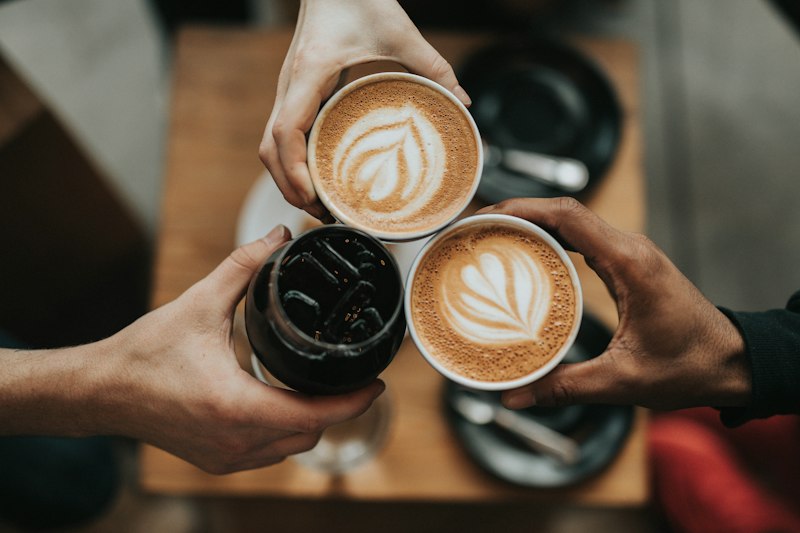
Cold coffee is equally frustrating - and particularly common in busy cafés where drinks are made and then sit on the pass while food is being plated.
The good news is that most temperature issues are preventable with the right systems and habits.
Warm Your Plates
This sounds obvious, but it's surprising how many cafés serve hot food on cold plates. A cold plate will drop the temperature of your food by several degrees within the first minute of plating. Most commercial ovens have a warming drawer, and a plate warmer is a worthwhile investment for any café serving hot food.
If you don't have a plate warmer, running plates under hot water and drying them quickly before plating is a simple alternative.
The Pass Problem
The "pass" - the area between the kitchen and the dining room where food waits to be collected - is where most temperature loss happens. Food sitting on the pass for more than 2-3 minutes will start to cool noticeably.
The solution is a combination of systems and culture. On the systems side, heat lamps over the pass maintain temperature for longer. On the culture side, servers need to understand that collecting food from the pass is always the priority - it should never wait while a server is taking an order or processing a payment.
Coffee Temperature
Espresso-based drinks cool quickly, particularly in cold weather or air-conditioned spaces. A few simple steps help:
Pre-heat your cups. Running hot water through your cups before making the drink keeps the temperature up significantly. Most espresso machines have a hot water tap for exactly this purpose. Don't let drinks sit. A flat white that sits on the bar for 3 minutes while the barista makes the next drink will be noticeably cooler than one served immediately. During busy periods, coordinate so that drinks are made as close to service as possible. Ask about milk temperature preferences. Some customers prefer their milk drinks slightly cooler (particularly those with sensitive palates or who are ordering for children). Asking "would you like that at the usual temperature?" shows attentiveness and prevents complaints.Pre-Prepared Food
If you pre-prepare any elements of your dishes - sauces, grains, roasted vegetables - make sure they're stored and reheated correctly. Food that's been refrigerated and then only partially reheated is a common cause of cold dishes, and in some cases a food safety concern.
Invest in a reliable probe thermometer and train your kitchen staff to check core temperatures before plating. Food should be served at a minimum of 63°C.
Communicating Delays
If food is going to take longer than expected, tell the customer before they ask. A brief visit to the table - "Just to let you know, your eggs are on the way and should be with you in about 5 minutes" - manages expectations and prevents the frustration of customers wondering where their food is.