Simply removing the meat or dairy from an existing dish isn't a vegan option - it's a disappointment. Here's how to create plant-based dishes that your customers will actually want to order.
The Vegan Menu Problem
"It's 2026, and there wasn't a single vegan option on the brunch menu." This was a genuine review left for one of the cafés in our recent audit - and it's a sentiment we saw echoed across multiple businesses.
The issue isn't just that some cafés lack vegan options. It's that many of the "vegan options" that do exist are afterthoughts - a dish from which the cheese has been removed, or a salad that happens to contain no animal products. These aren't vegan options; they're disappointments.
The cafés that do vegan well - and there are many - treat plant-based dishes as first-class menu items, not substitutions. And they benefit commercially from it: a well-designed vegan menu attracts not just vegans, but vegetarians, flexitarians, and health-conscious customers who might otherwise have gone elsewhere.
Think Addition, Not Subtraction
The most common mistake is designing a vegan dish by removing ingredients from an existing dish. "Full English without the eggs and bacon" is not a vegan dish - it's a plate of beans, toast and mushrooms that costs the same as a full breakfast.
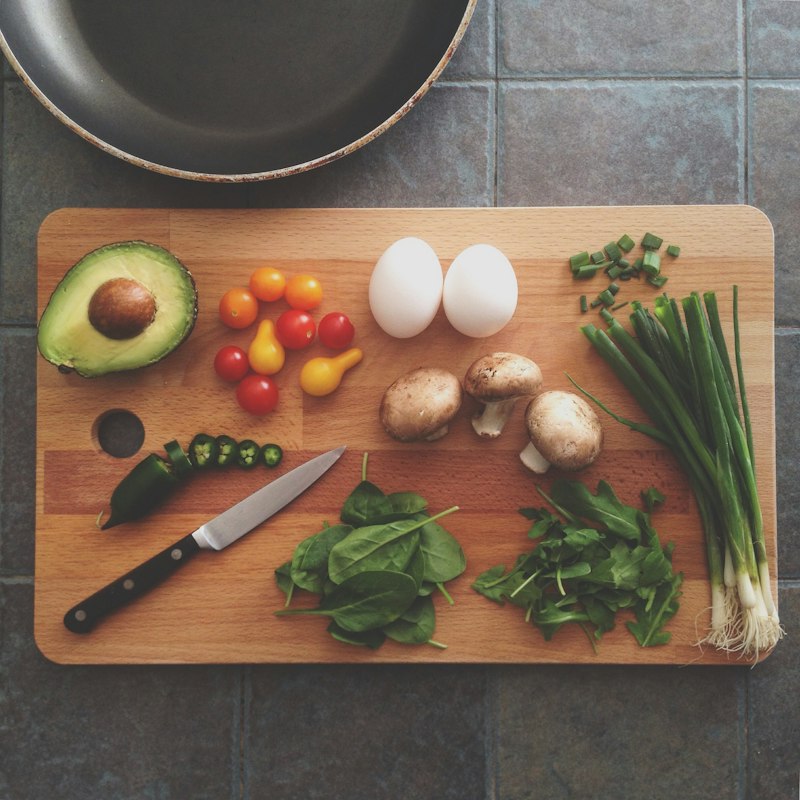
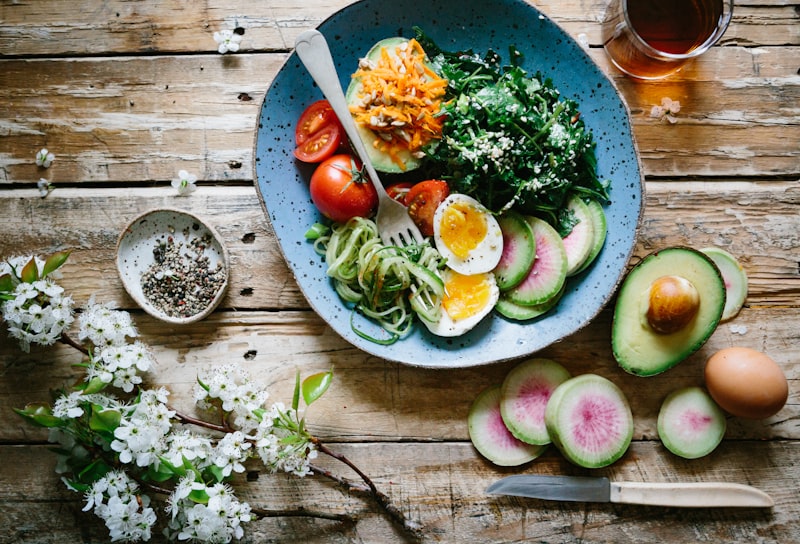
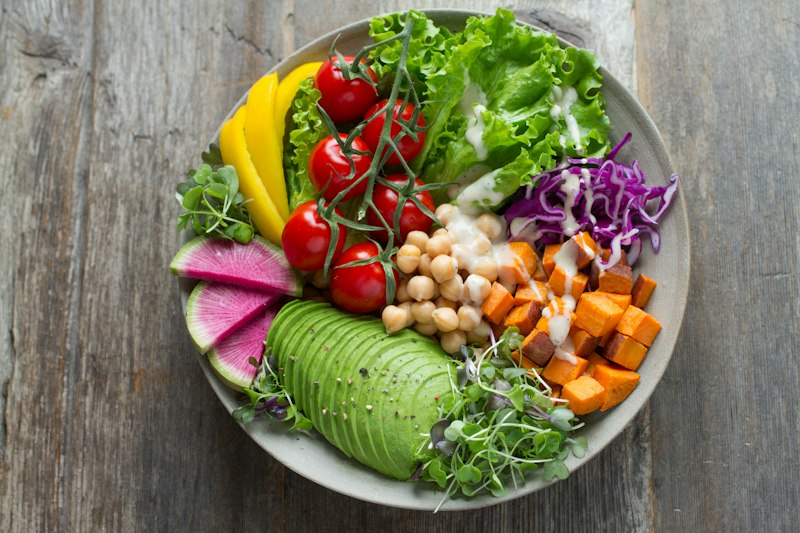
Instead, think about what you can add to make a plant-based dish genuinely satisfying and interesting. Roasted chickpeas, spiced lentils, avocado, tahini, pickled vegetables, toasted seeds, hummus, smoked tofu - these are ingredients that add flavour, texture and protein to a dish, rather than just filling the gap left by meat.
Alternative Milks: Get Them Right
For a café, the most important vegan consideration is often milk alternatives. Oat milk has become the dominant choice for coffee - it steams well, has a neutral flavour, and most customers can't tell the difference in a flat white.
But not all oat milks are equal. Barista-grade oat milk (such as Oatly Barista or Minor Figures) is specifically formulated to steam and froth correctly. Standard oat milk from a supermarket will separate and produce a poor result. If you're going to offer oat milk, use the right product.
Almond milk and soy milk are also popular, though both have stronger flavours that some customers find overpowering in coffee. Having at least two alternatives available is increasingly expected by customers.
Labelling and Transparency
Clearly label vegan and vegetarian options on your menu. Use a consistent symbol (a small "V" or a leaf icon) rather than writing it out in full each time. This makes it easy for customers to scan the menu quickly and find options that suit them.
Also be clear about what can be made vegan on request. If your granola bowl can be made vegan by swapping honey for maple syrup, say so. Many customers won't ask unless they're prompted.
Seasonal Vegan Specials
One of the best ways to keep your vegan offering fresh and interesting is to run seasonal specials. A butternut squash and sage risotto in autumn, a roasted tomato shakshuka in summer, a warming lentil and sweet potato soup in winter - these dishes are naturally vegan, genuinely delicious, and give you something new to talk about on social media.
Falcon Sales stocks a range of plant-based ingredients and alternative milks that can help you build a vegan menu without compromising on quality. Get in touch with Toby or Lucy to find out what's available.